- Public opinion divided on royal visit
- Political leaders call for cancellation
- Government's role in state visit decisions
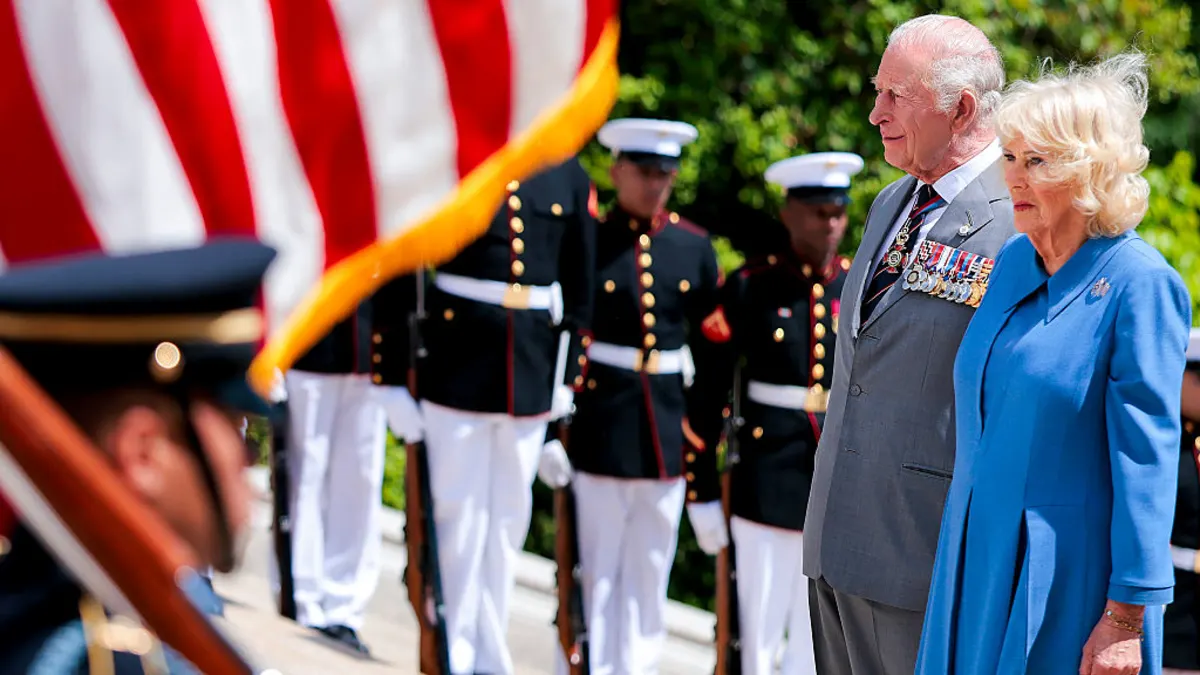
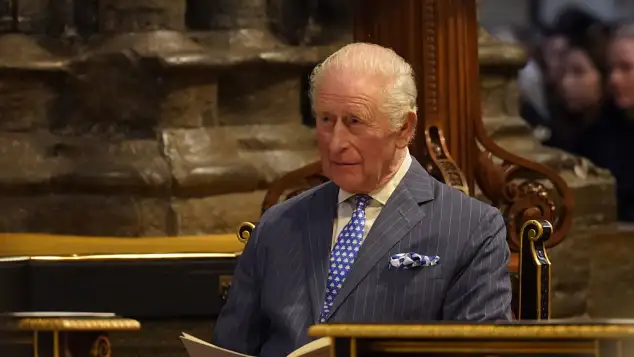
King Charles's anticipated state visit to the United States is generating significant debate, even before its official announcement. Tensions have risen following President Trump's criticism of the UK's response to the war with Iran. A recent survey revealed that a larger portion of UK adults believes the visit should be canceled, with 46% supporting cancellation compared to 36% who believe it should proceed, and 18% remaining undecided. This controversy underscores the complexities of international diplomacy and public sentiment.
Also interesting:
Mixed reactions
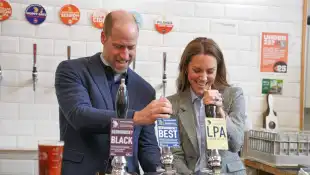
At Borough Market
Prince William & Princess Kate Surprise Londoners with Hands-On Service

An iconic royal piece
Political Leaders Call for Cancellation
The visit has drawn criticism from notable UK politicians. Sir Ed Davey, leader of the Liberal Democrats, has openly opposed the visit, citing President Trump's actions. "Given Trump’s illegal war that is devastating the Middle East and pushing up energy bills, Keir Starmer should advise the King to call off April’s state visit to the US," he stated. Sir Davey further expressed concerns that the visit could be perceived as "yet another huge diplomatic coup for President Trump." Meanwhile, some Labour Party backbench MPs have echoed these sentiments, suggesting that canceling the visit would send a strong message.
Government's Role in State Visit Decisions
State visits by the King are initiated at the government's request, highlighting the intricate relationship between the monarchy and political leadership. Reports suggest that Charles and Camilla were expected to visit the U.S. in April, coinciding with the 250th anniversary of the Declaration of Independence. The royals previously hosted President Trump and First Lady Melania Trump in Windsor during his second state visit last September, as part of ongoing diplomatic efforts. Additionally, there is speculation that Prince William might also visit the U.S. later for the men's soccer World Cup, further intertwining royal engagements with international events.