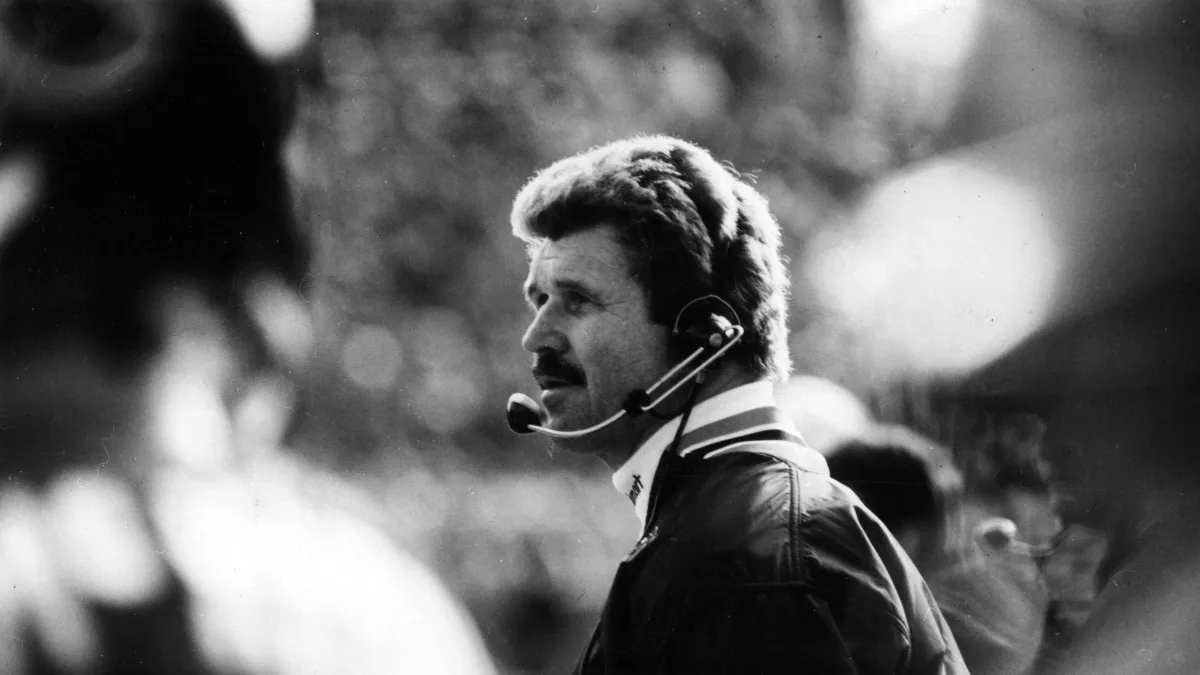
Mike Ditka, the Hall of Fame football coach whose larger-than-life persona crossed into pop culture, has died at 86. According to NBC News, his family confirmed the death in a statement Friday. Though best tied to the Chicago Bears’ 1986 Super Bowl win, Ditka’s presence also reached TV viewers through sketches, interviews, and decades of media appearances. His image as “Iron Mike” turned him into more than a sports figure. He became a recognizable character in American entertainment, especially in Chicago, where his blunt style and tough public image made him a lasting screen and broadcast presence.
Mike Ditka’s Family Shares Statement
His family framed the loss in deeply personal terms while acknowledging the public figure many fans followed for years. “It is with profound sadness that we announce the passing of our beloved husband, father, grandfather, and friend, Mike Ditka,” the family said according to NBC News. The statement also drew a line between the football legend and the private man at home. “While the world knew Mike as a Hall of Fame football player, legendary coach, and leader of the Chicago Bears’ Super Bowl XX championship team, we knew him as the heart of our family,” the statement said. He was, they added, someone who will be remembered forever.
Hall of Fame Career Began as a Tight End
Before becoming a sideline fixture, Ditka changed expectations for the tight end position. Drafted by Chicago in 1961, he quickly became a major offensive weapon and scored 12 touchdowns in his rookie season. That production helped earn him Rookie of the Year honors and placed him among the league’s standout young players. He later played on the Bears’ 1963 championship team, then continued his career with the Houston Oilers and Dallas Cowboys. In Dallas, he added another title as a player by catching a touchdown pass in Super Bowl VI.
Super Bowl Coach Became a TV Culture Figure
Ditka’s coaching peak came with Chicago’s dominant 46-10 win over the New England Patriots in Super Bowl XX. His fierce sideline manner and clipped delivery made him instantly recognizable beyond football broadcasts. That persona later fed directly into comedy and television culture, most memorably through “Saturday Night Live” and its “Bill Swerski’s Superfans” sketches. In those segments, exaggerated Chicago fans treated Ditka like a folk hero, turning his name into a punchline and a badge of civic pride at once. Few coaches made that jump from championship football to recurring late-night comedy material.
Chicago Identity Helped Build His Lasting Legacy
Born Michael Dyczko in Aliquippa, Pennsylvania, Ditka carried a working-class image that fit neatly with Chicago’s self-mythology. Tough, direct, and often pugnacious, he came to embody the city’s blue-collar swagger in a way that translated well on camera and in public appearances. That helped keep him relevant long after his coaching prime ended. His legacy now sits at an unusual intersection: sports greatness, local identity, and entertainment visibility. For many, he was not just a football architect but a personality who lived on through television, catchphrases, and the broader culture that kept his image in circulation for decades.