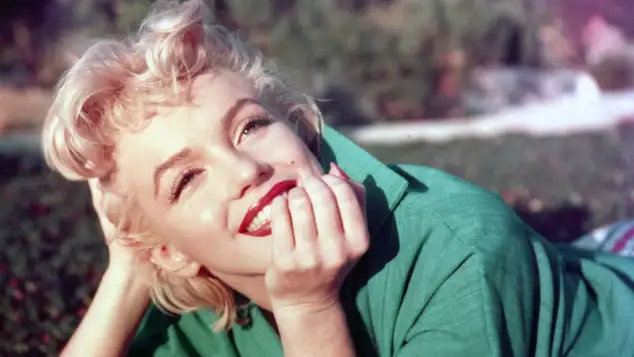
Marilyn Monroe spent years as one of Hollywood’s most photographed women, yet she insisted the public barely understood her. As reported by People Magazine, a new book, Marilyn: The Lost Photographs, The Last Interview, publishes her 1962 Life interview in full alongside images from her final photo shoot with Allan Grant. The material arrives as interest grows ahead of what would have been her 100th birthday on June 1. In those pages, Monroe speaks with unusual candor about childhood, fame, work, marriage and the burden of becoming an icon.
Also interesting:

Marilyn Monroe Said She Hated Being “a Thing”
The actress made clear that the glamorous image attached to her never matched her inner life. “That’s the trouble — a sex symbol becomes a thing. I just hate to be a thing,” Monroe told Life. Her comments cut through decades of mythmaking. Born Norma Jeane Baker, she came from an unstable childhood marked by foster homes and an orphanage before modeling opened a path into films. Friend James Haspiel also draws a sharp line between the public figure and the woman behind it, saying, “Marilyn Monroe was her invention.”
Marilyn Monroe Recalled a Lonely Childhood
Some of the most striking passages deal with her early years and the escape she found in movie theaters. “I decided I wanted to be an actress when I was five,” said Monroe according to People Magazine. She described being sent to the movies by foster parents and sitting there alone for hours, already drawn to the screen. That memory helps explain the drive that followed. Long before the platinum hair and studio publicity machine, she had fixed on acting as a way out and as a place where she could imagine a different life.
Marilyn Monroe Spoke Bluntly About Fame and Work
Monroe’s reflections on celebrity were sharp and unsentimental. “It’s like caviar. It’s good to have caviar, but if you had it every damn day, you know?” she said. She also recalled the physical toll of public attention after a 1961 hospital stay, when crowd pressure reopened her side after surgery. In the studio system, she said she was often diminished despite her box-office value. While making Gentlemen Prefer Blondes, she remembered earning far less than Jane Russell and fighting even for a dressing room, a sign of how little control she often had.
Marilyn Monroe Framed Her Life in Her Own Words
The interview also shows how carefully Monroe thought about intimacy, family and self-respect. She said social invitations often treated her as decoration rather than a person, adding that mobs frightened her more than private conversations did. On marriage, she spoke tenderly about wanting her stepchildren to know her directly, not through tabloids. Near the end, she reflected on hardship without self-pity, saying she hoped her work might “illuminate for some people some things I’ve learned.” The result is a portrait of a star still trying to define herself on her own terms.