There are many claims circulating about the British royal family, but several of them aren’t true. Here are some of the most curious myths that have circulated over the years.

Bizarre Myths About the British Royal Family That Aren’t True
1 / 11

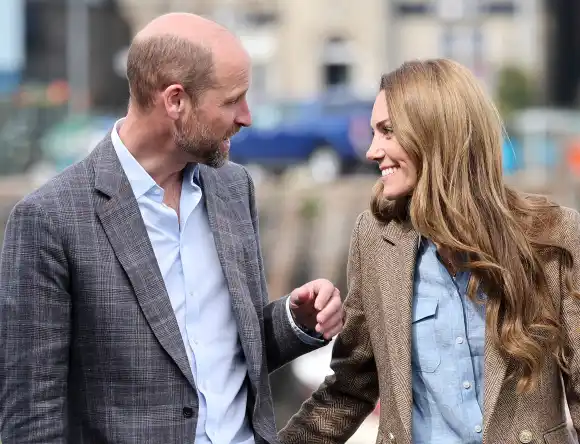
Prince William and Princess Kate
For centuries, stories have circulated about the British royal family that often sound like established facts. Yet many of these claims do not stand up to closer scrutiny.
2 / 11
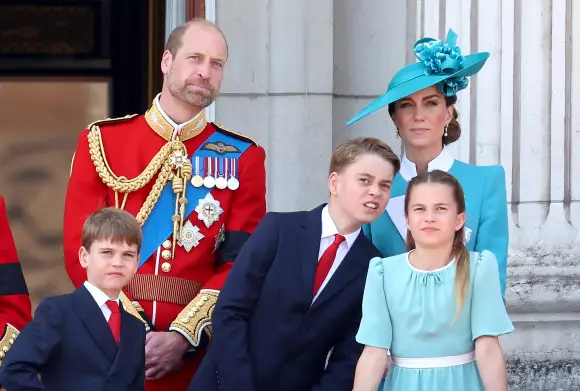
The British Royal Family
This includes the notion that the monarch is completely above the law, as well as the assumption that every royal wedding is paid for entirely with taxpayer money. A different picture also emerges when it comes to titles, residences, and political rules.
3 / 11
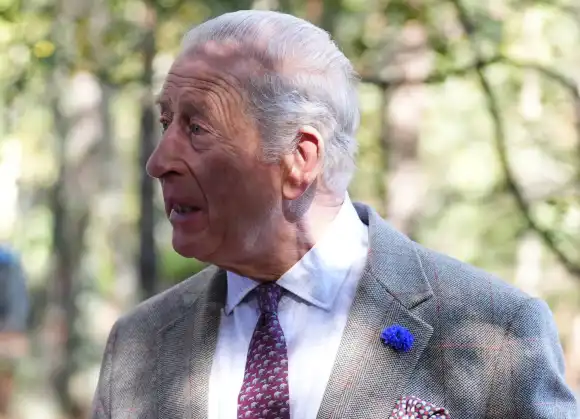
King Charles
Although sovereign immunity does exist, it does not grant the monarch unlimited freedom. In 1911, George V wanted to end a political stalemate but could only act if the elected government formally requested it. The limits became even clearer in 1936 with Edward VIII: Opposition to his marriage plans ultimately left abdication as the only option.
4 / 11
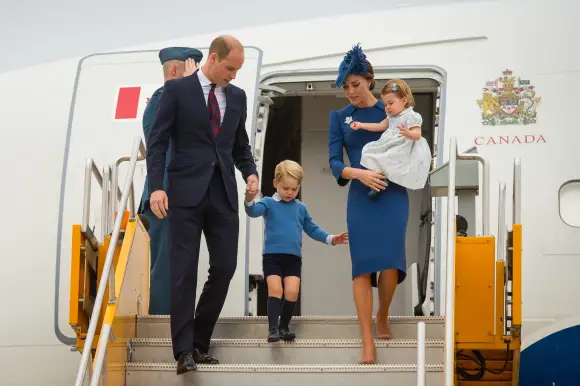
British Royals
Even the oft-repeated rule that the monarch and the heir to the throne should never fly together is not a strict law. It is considered a guideline and can be relaxed after practical consideration, as was the case with trips taken by William, Kate, and Prince George, who was still a young child at the time.
5 / 11
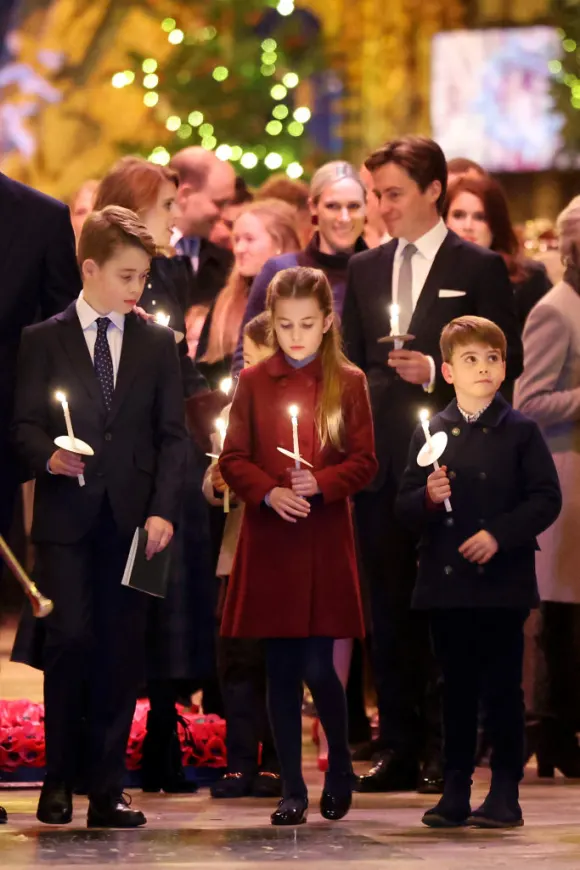
Prince George, Princess Charlotte, and Prince Louis
Prince Albert did not bring the Christmas tree tradition to Great Britain, even though this version of the story is still often told today. Trees had already been put up in some parts of the country, especially in areas with German ties. Albert and Queen Victoria, however, ensured that the custom spread throughout the country.
6 / 11
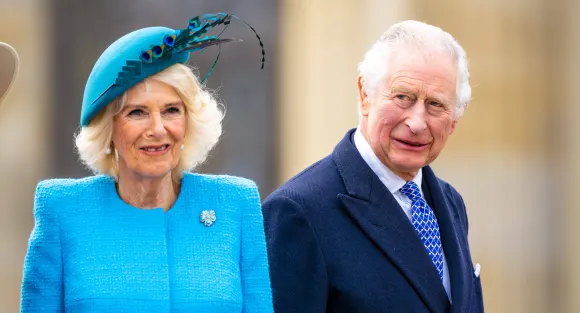
King Charles and Queen Camilla
Similarly oversimplified is the claim that all members of the royal family must remain completely politically neutral. This strict restraint applies primarily to the monarch and high-ranking working members of the royal family, not across the board to every member of the family.
7 / 11
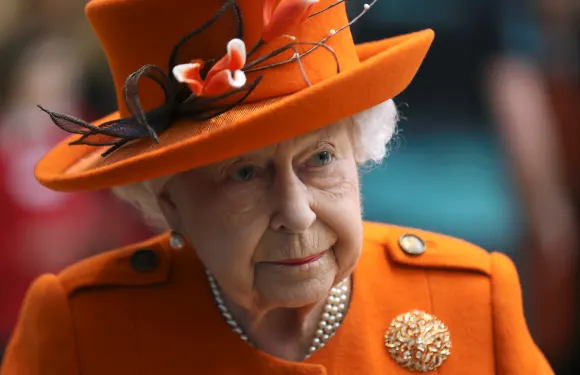
Queen Elizabeth
There is also a persistent myth when it comes to money: that the monarchy does not pay taxes. In fact, Queen Elizabeth II voluntarily began paying income tax and capital gains tax in 1993; King Charles has continued this practice.
8 / 11
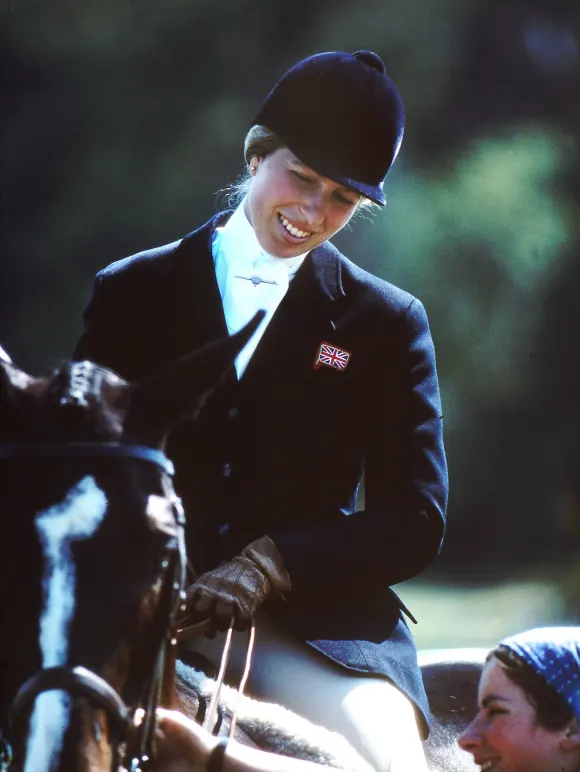
Princess Anne
It is also incorrect to assume that members of the royal family are generally not allowed to pursue a career. Prince William and Prince Harry served in the military, Princess Eugenie worked in the art world, and Princess Anne initially trained as a professional equestrian.
9 / 11
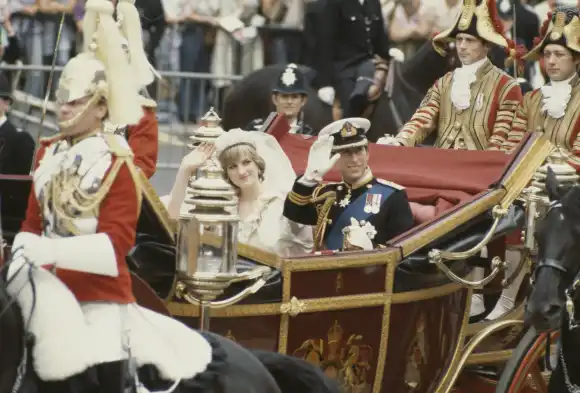
Lady Diana and Charles
Princess Diana was by no means the first “commoner” to marry an heir to the throne. She was born Lady Diana Spencer into an old aristocratic family and grew up on the Sandringham estate.
10 / 11
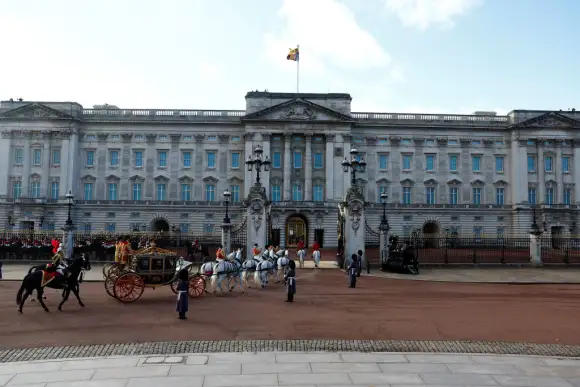
Buckingham Palace
Not every king and queen automatically lives in Buckingham Palace. Historically, the palace has often served more as an administrative center; it wasn’t until the 19th century that it became the monarch’s official London residence. The notion that the monarch owns all the swans in Great Britain is also not entirely accurate. The Crown’s rights apply only to unmarked mute swans in certain sections of the Thames.