Royal weddings follow strict rules and traditions—from the white dress and myrtle to the monarch’s consent. Diana, Charles, Kate, William, and other members of the royal family have had to abide by them.

Fun Fact: These Surprising Wedding Rules Apply to the Royals
1 / 10

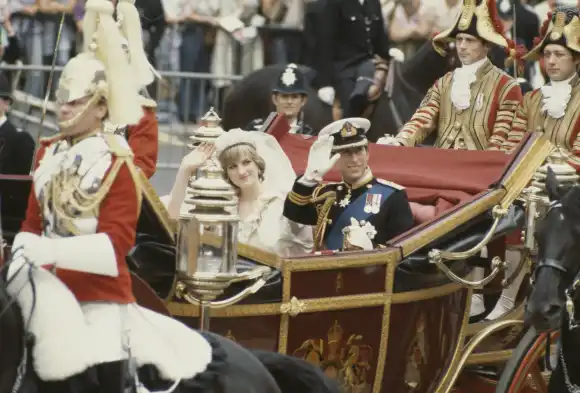
Lady Diana and Charles
Royal weddings have followed a set protocol for generations. Many of the rules date back to the 19th century, while others are still in effect today. These include the white wedding dress, an official engagement interview, a wedding photograph, and the monarch’s consent to the marriage. Even after the wedding ceremony, there are clear procedures, such as two receptions on the same day.
2 / 10
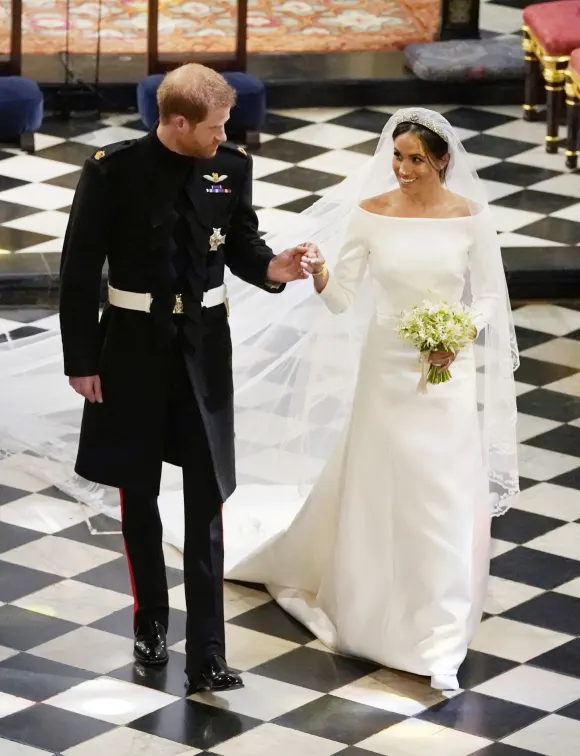
Duchess Meghan and Prince Harry
As “Marie Claire” reports, many of these traditions were evident at the weddings of Queen Victoria, Charles and Diana, and William and Kate. In the case of Harry and Meghan, it later became clear which traditions were carried on and where the couple chose to deviate from them.
3 / 10
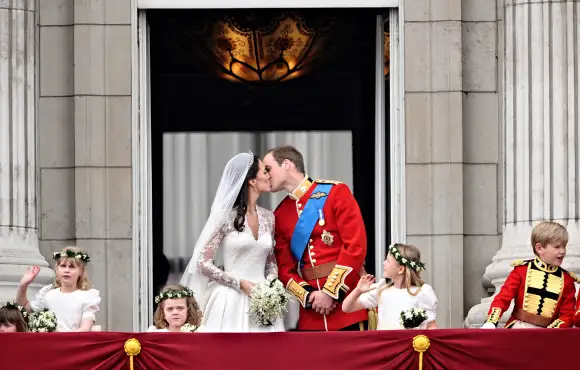
Kate and William
The tradition of royal brides wearing white dates back to Queen Victoria in 1840. Another firmly established tradition is a bridal bouquet containing a sprig of myrtle, a plant considered the “herb of love.” A tiara is also a customary part of a royal bride’s wedding attire.
4 / 10
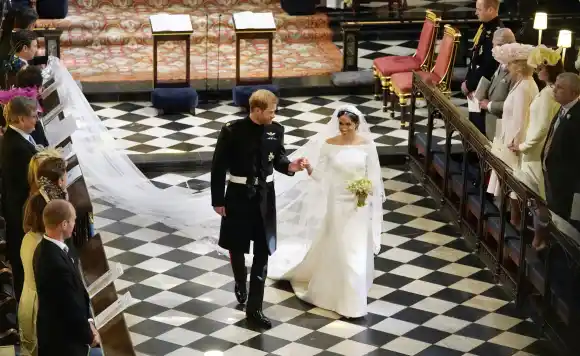
Duchess Meghan
Traditionally, royal brides also lay their bouquets at the Tomb of the Unknown Warrior in Westminster Abbey. This tradition dates back to the late Queen Mother. However, Meghan and Harry were married at St. George’s Chapel in Windsor Castle and therefore did not follow this part of the ceremony.
5 / 10
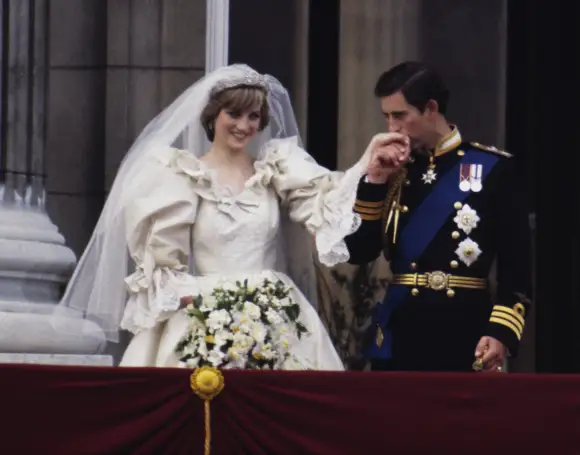
Princess Diana
The Chapel Royal at St. James’s Palace is considered a classic venue for royal weddings. William and Kate were married at Westminster Abbey, and Harry and Meghan at Windsor. After the ceremony, the newlyweds and their families usually make a public appearance and kiss in front of the crowd.
6 / 10
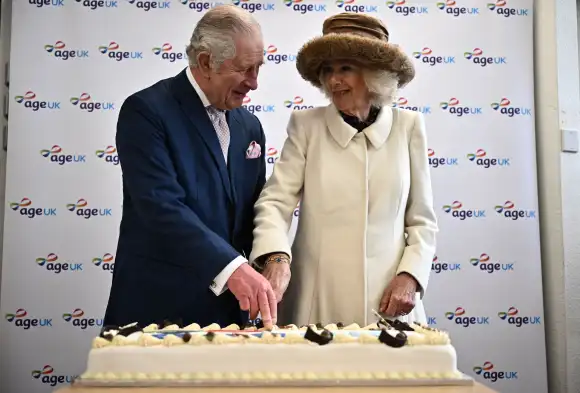
King Charles and Queen Camilla
There’s also a clear tradition when it comes to the wedding cake: Two cakes are often served, and fruitcake is the traditional choice. Harry and Meghan opted instead for a spring-themed cake with lemon and elderflower.
7 / 10
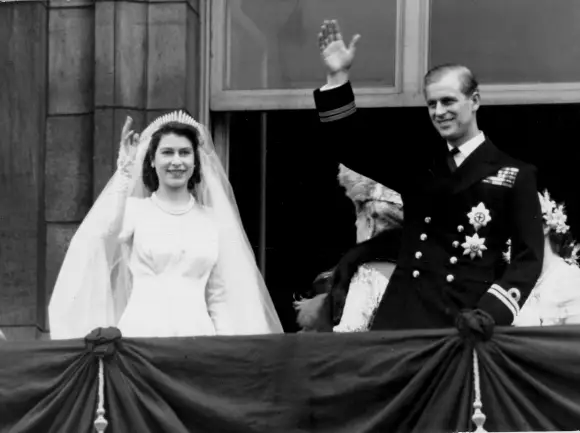
Queen Elizabeth and Prince Philip
Another long-standing tradition is the wedding ring made of Welsh gold. This tradition began in 1923 at the wedding of the future Queen Mother. It is also customary for male members of the royal family to wear military uniforms at their weddings, as military service has long been considered an integral part of royal life.
8 / 10
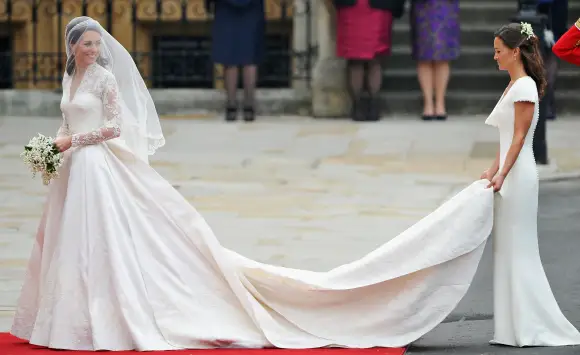
Duchess Kate and Pippa Middleton
In addition, there are clearly defined roles for children and attendants: there are page boys and bridesmaids, while royal grooms have traditionally had a “supporter” rather than a best man. William broke with tradition and made Harry his best man. Later, Harry also chose William for that role.
9 / 10
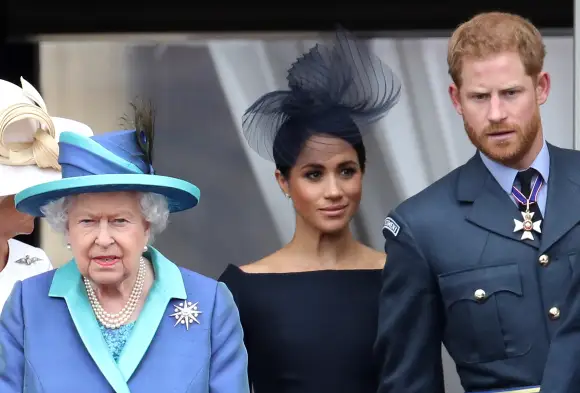
Queen Elizabeth II, Duchess Meghan, and Prince Harry
A royal wedding requires the monarch’s formal permission. This requirement was based on the Royal Marriages Act of 1772. Before their wedding, Meghan met with then-Queen Elizabeth II several times before Harry proposed. Afterward, the monarch signed the Instrument of Consent.
10 / 10
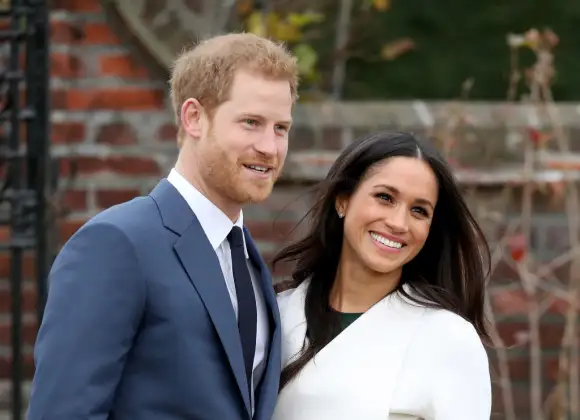
Prince Harry and Meghan Markle
According to marieclaire.com, the royal family is also paying for the wedding themselves. During the ceremony, the royal groom’s family will sit on the right side of the church. There were also long-standing religious requirements: The Act of Settlement of 1701 prohibited marriages to Catholics. Meghan was baptized into the Church of England before the wedding.