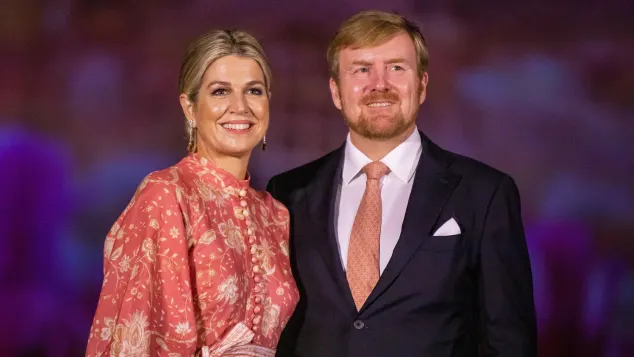
Máxima of the Netherlands was born Máxima Zorreguieta Cerruti in Buenos Aires on May 17, 1971. Yesterday, she celebrated her 55th birthday. Today, she is considered one of Europe’s most charismatic royals — admired for her warmth, natural charm and rare ability to make everyone around her feel equal, regardless of status. But the beginning of her extraordinary story did not unfold inside a palace. It began at a lively party in Spain.
Also interesting:
A bold royal move
Private luxuries revealed
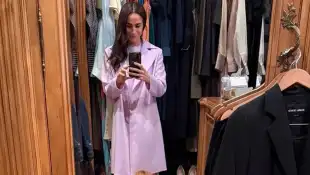
Queen Máxima and the Meeting that Almost Never Happened
In April 1999, Máxima attended a private gathering during the Feria de Sevilla, the Andalusian city’s famous spring festival. A friend had invited her along. There she met 32-year-old Willem-Alexander of the Netherlands, then Crown Prince of the Netherlands. But he did not introduce himself as royalty. He simply called himself “Alexander.”
It took Máxima two full days to discover the truth about the man she had spent hours talking and dancing with. Years later, she candidly recalled their first encounter in an interview with Dutch newspaper Jeugdjournaal: “The beginning wasn’t so good. I didn’t like him at all, but that changed.”
It was a surprisingly honest confession from the woman who would later win over an entire nation with her authenticity — and who never felt the need to turn her love story into a fairy tale.
Queen Máxima and the Father Absent from her Wedding
The romance that began in Seville soon faced its greatest challenge. When the couple’s engagement became public, political controversy erupted in the Netherlands. Máxima’s father, Jorge Zorreguieta, had served as Argentina’s Minister of Agriculture during the dictatorship of Jorge Rafael Videla between 1976 and 1981 — a regime associated with the disappearance of more than 30,000 people.
Many Dutch citizens struggled with the connection. In the end, a painful compromise was reached. Jorge Zorreguieta publicly condemned the military dictatorship and chose not to attend his daughter’s wedding in Amsterdam on February 2, 2002, out of respect for the Dutch people.
For Máxima, it was undoubtedly heartbreaking — a bride forced to celebrate the happiest day of her life without her father by her side. It became the first major public test of the resilience and dignity for which she would later become known.
Queen Máxima and the Daughters She Fiercely Protects
Máxima and Willem-Alexander went on to have three daughters: Catharina-Amalia, Princess of Orange, born in 2003 and now heir to the Dutch throne, followed by Princess Alexia of the Netherlands in 2005 and Princess Ariane of the Netherlands in 2007.
One of the things most appreciated by the Dutch public is the way Máxima has tried to give her daughters as normal a life as possible. The girls attended regular schools, were encouraged to study and largely stayed away from excessive royal exposure.
Amalia even lived in a student flat in Amsterdam while studying. When reports emerged in 2022 that criminal organizations had discussed plans to kidnap the princess, the family temporarily moved her to Spain for safety reasons. Through it all, Máxima remained the calm center of the family — composed, supportive and remarkably steady under pressure.
Queen Máxima at 55 — the Argentinian Who Became Dutch Royalty
Today, one day after turning 55, Máxima stands as one of Europe’s most beloved queens. Since 2009, she has also served as a United Nations Special Advocate for Inclusive Finance and is fluent in at least five languages, including Spanish, English, French, Italian and flawless Dutch.
A country that once viewed her with caution has long since embraced her wholeheartedly.
Whether chatting warmly with vendors at a market in The Hague or arriving late to an event because she stopped to speak with students, Máxima gives people the sense that nothing about her is forced. It is simply who she is.
Perhaps that is exactly what makes her so special: a mix of Argentine warmth and Dutch directness. A queen who never dreamed of becoming one — and who somehow became perfect for the role.