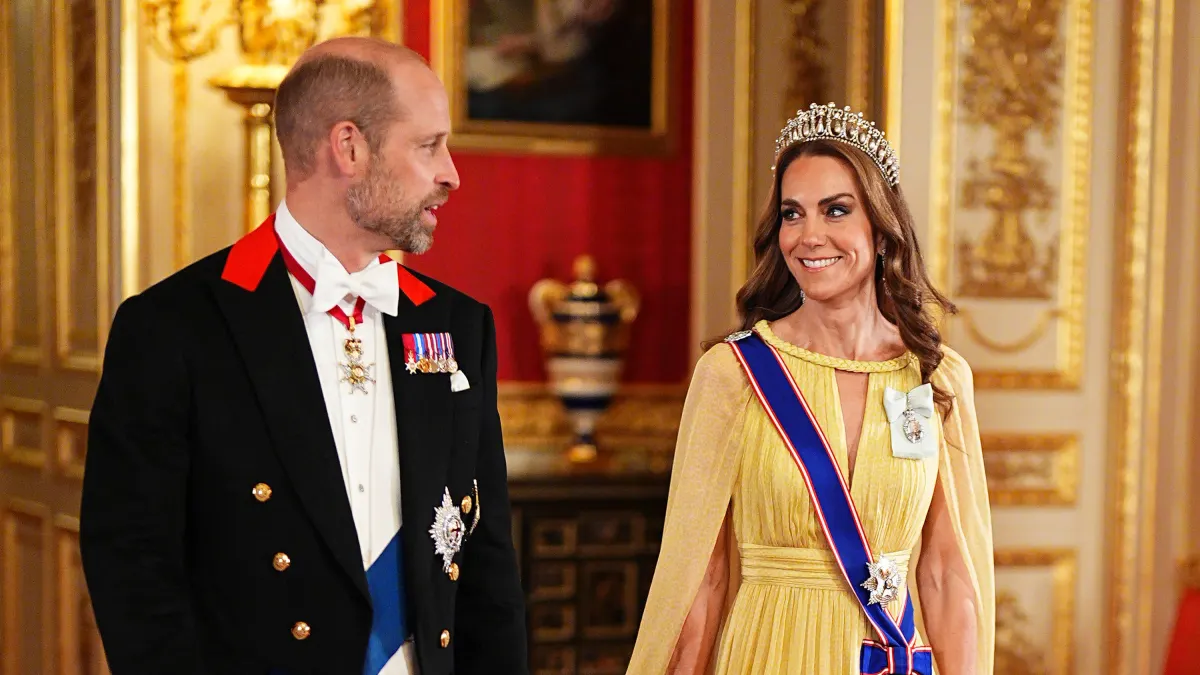
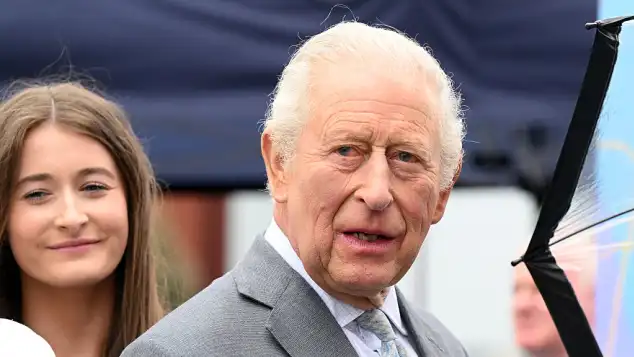
When King Charles III succeeded Queen Elizabeth II, he took on far more than the crown. Buckingham Palace, Windsor Castle and the complex routines inside royal residences all became part of his daily world. Those homes operate under tight rules for staff and guests, with privacy treated as a priority at every level. Among the best-known restrictions is the rule around mobile phones, which are generally switched off while staff are on duty. Yet in Charles’s case, that particular protocol appears to matter far less than it would for most modern heads of state.
Also interesting:

A special recognition
Prince William and Kate Quietly Honor Key Palace Staff Member
A royal fairytale
8 Years Ago: The Sweetest Details From Meghan and Harry’s Wedding
Celebrating 8 years together
Unseen Royal Wedding Photos! Meghan Marks Anniversary With Harry
King Charles III Reportedly Does Not Use a Mobile
According to Hello!, the monarch does not even have a mobile phone. That detail gives fresh context to the strict rules that shape life inside royal residences, where staff are expected to limit phone use unless their role requires one at a desk. It also fits with a public moment that hinted at his preference for fewer digital distractions. During a royal walkabout, a security officer was heard asking members of the public to put their phones away before greeting the King, reinforcing the formality that still surrounds close contact with the sovereign.
Fiona Burton Recalls Strict Castle Security
Former royal patisserie chef Fiona Burton offered a glimpse into how firmly those standards were enforced in earlier years. Speaking about her time working in a royal residence more than two decades ago, she said: "The protocols were pretty strict. Every time we left, we had to go through security checks. At the time mobile phones were only just coming out, so we weren't allowed phones or cameras in the castle." Her account points to a workplace shaped by discipline, security screening and a clear effort to protect private royal life from intrusion.
Royal Household Teams Were Kept Apart
Burton also described how separation between departments formed part of the wider structure. "It was also quite strict between the teams, so you had catering, maids and butlers. We weren't allowed to meet up, so everything was pretty strict. It was just to keep the teams separate. We all had different levels of security. Your main aim there was to serve the royals, it wasn’t to entertain and have parties," Fiona Burton told Hello!. Her comments show that palace life behind the scenes was highly ordered, with each group operating within carefully defined boundaries.
Buckingham Palace Visitors Face Similar Rules
The same emphasis on privacy extends beyond staff. Visitors touring royal residences are also expected to respect rules on photography, with phones and cameras kept out of use inside key areas. That policy helps preserve both security and the sense of tradition attached to these historic homes. For Charles, who appears comfortable without a mobile device, the arrangement may feel entirely natural. In a royal household where screens are limited and attention is tightly managed, his approach seems closely aligned with the old-fashioned discipline that still shapes palace life.