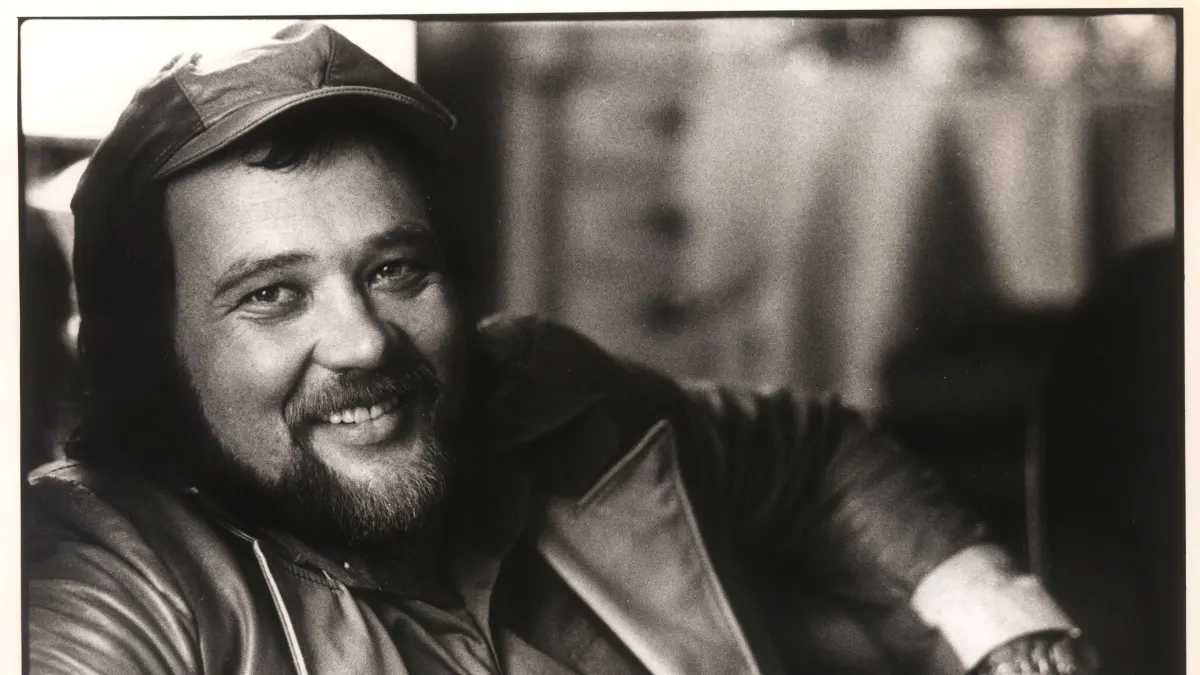
David Clayton-Thomas, the Canadian singer and songwriter who powered Blood, Sweat & Tears through its biggest years, has died at 84. According to Variety, he died peacefully Wednesday evening at a Toronto hospital, with no cause of death cited. His voice helped define a run of late-1960s hits that blended rock, soul and brass in a way few groups matched. As lead singer, he stood at the center of songs that dominated radio and pushed the band to major commercial success in the United States and beyond.
David Clayton-Thomas Wrote “Spinning Wheel”
Clayton-Thomas was more than the voice of the group’s peak era. He also wrote “Spinning Wheel,” the band’s signature original song and one of its biggest chart hits. Released in 1969, it reached No. 2 on the Billboard Hot 100, alongside “When I Die” and “You’ve Made Me So Very Happy,” which also climbed to No. 2 that year. The group’s self-titled album became a blockbuster, topping the Billboard chart for seven weeks and staying in the top 200 for nearly two years. The band won two Grammys in 1970, including best album.
Canadian Musician Built a Career After Hardship
Born David Henry Thomsett in Surrey, England, in 1941, Clayton-Thomas moved to Canada with his family after World War II. His early life was difficult. He left home as a teenager, had repeated run-ins with the law and spent time in reform institutions. In one of them, he found a guitar left behind by another inmate and taught himself to play. After his release in 1962, he entered Toronto’s growing music scene, worked under the guidance of Ronnie Hawkins and soon began fronting his own bands.
Judy Collins Helped Open the Door
A key turning point came when folk singer Judy Collins saw him perform in New York and told drummer Bobby Colomby about him. That connection led to a rebuilt version of Blood, Sweat & Tears after Al Kooper’s departure. The 1968 album that followed turned the group into a major force, with a mix of originals and carefully chosen covers. The band went on to play Madison Square Garden, the Hollywood Bowl and Woodstock. It also became the first major group to perform in Communist Eastern Europe in 1970, a decision that later drew backlash.
Solo Work and Honors Continued for Decades
Clayton-Thomas left the band in 1972 amid the strain of sudden fame, though he later returned and worked with later lineups until 2004. His solo career stretched across decades and included nearly a dozen albums, along with a CBC television series. He also devoted time to charity work focused on troubled youth. His honors included induction into the Canadian Music Hall of Fame, a special Juno Award, a star on Canada’s Walk of Fame and recognition for “Spinning Wheel” in the Canadian Songwriters Hall of Fame. He is survived by two daughters, and a memorial concert is planned.