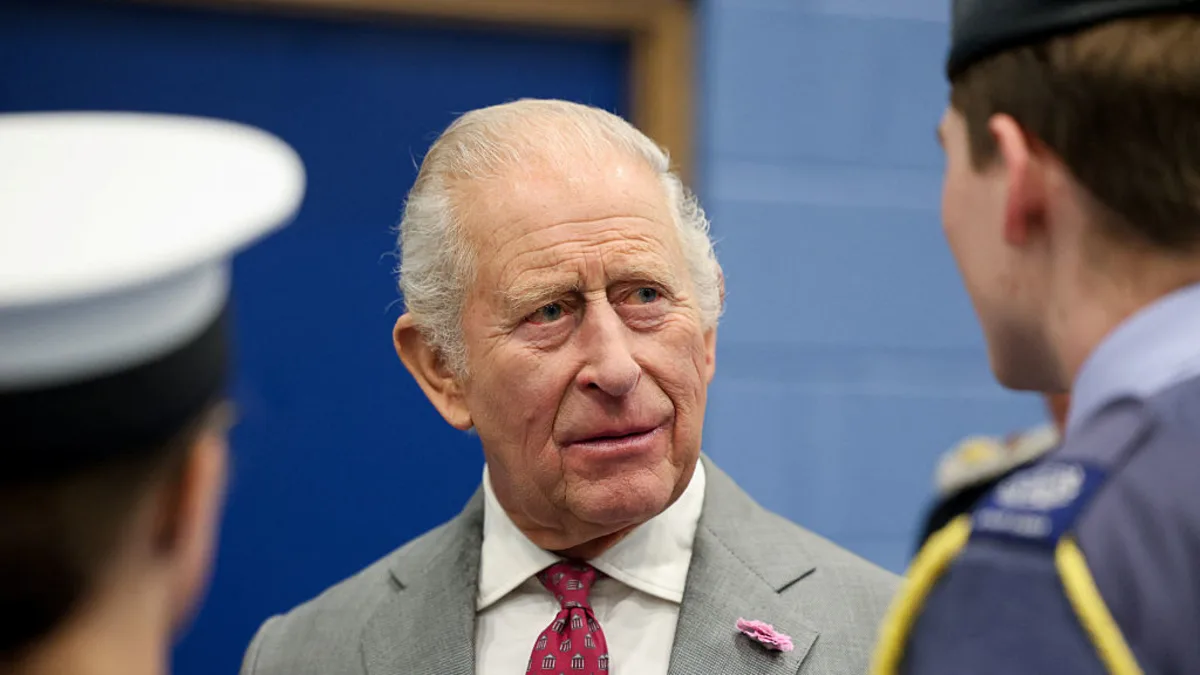
King Charles has made a first for the British monarchy by publishing his tax bill, while Prince William has shared his own tax details publicly for the first time. According to Hello!, the two have paid more than £50 million in tax since the change of reign in 2022. Charles paid £12.9 million in the 2024-25 financial year after paying £11.7 million the year before. William paid £7.76 million in 2024-25, following £8.34 million in the previous period.
King Charles Publishes Historic Tax Bill
Charles has now contributed more than £30 million in tax since he became monarch in September 2022. His bill covers private income and capital gains tax on parts of his assets, including investment income, private savings, and funds generated by Balmoral and Sandringham. He also receives private income from the Duchy of Lancaster, the land and property portfolio that supports the monarch’s financial independence. In 2025-26, that duchy paid him £25.2 million, though the latest tax figures for that year will not be published until next year.
Prince William Shares Tax Details for First Time
William’s disclosure marks a major shift after he declined to make his tax bill public over the past two years. He voluntarily pays tax on income from the Duchy of Cornwall, the estate that provides the heir to the throne with an independent source of income. In 2025-26, he received £21.6 million from the duchy. That money supports both public and private spending for William and Princess Kate, including office costs, administration, and charitable work. Tax is then paid at the highest rate on any net surplus after audited deductions.
Ian Patrick Explains the Push for Transparency
The decision to publish the figures is tied to a broader effort to increase transparency around royal finances. "The prince recognises the interest in these arrangements and the importance of appropriate transparency," said Ian Patrick according to Hello!. That statement gives a clearer sense of why William chose to release the information now. Charles and William both voluntarily pay tax on duchy income, a practice that has long drawn public interest because of the unique way royal funding is structured within the constitutional system.
Duchy Estates Remain Central to Royal Income
The duchies remain at the heart of how senior royals fund their work. The Duchy of Cornwall is valued at around £1 billion and exists to provide income for the heir to the throne. As reported by Hello!, it also includes Highgrove, Charles’s Gloucestershire home. Rent charged for use of the property by the King, his staff, and commercial operations reached £503,711 this year, up from £475,792. The Duchy of Lancaster, once called the Privy Purse, has historically covered both official and private expenditure for the monarch.