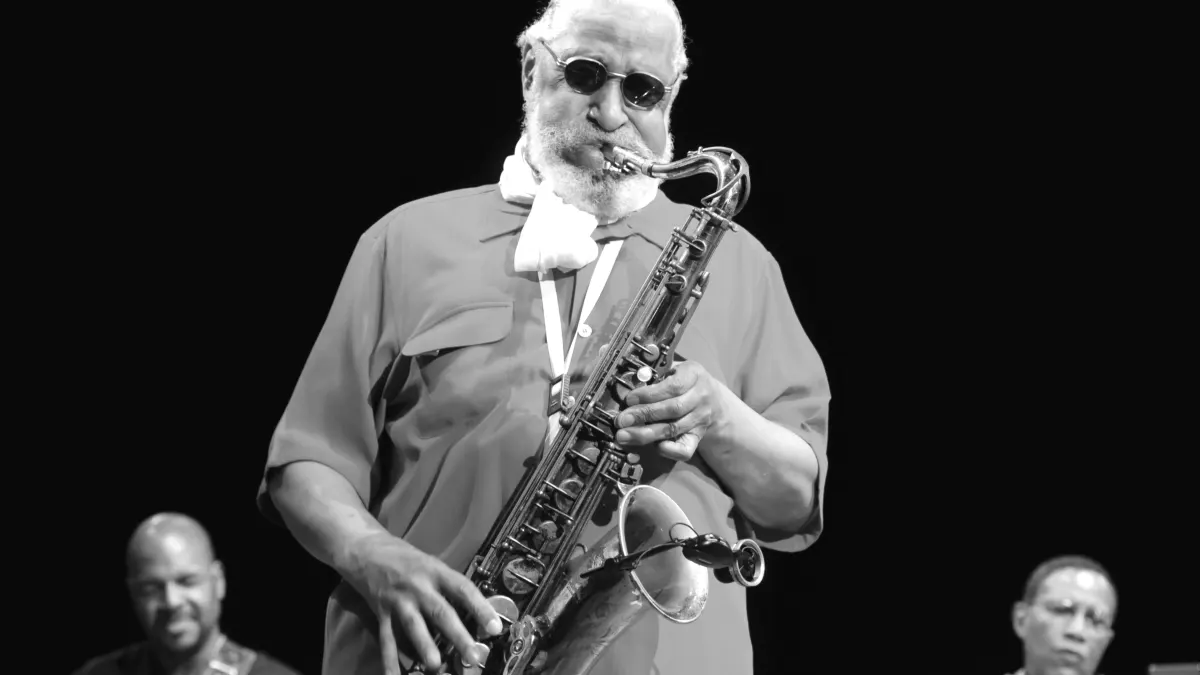
Jazz saxophonist Sonny Rollins, one of the defining artists in American music, has died at the age of 94. According to BBC, he died at his home in Woodstock, New York, on Monday afternoon. His publicist called him "one of the most honored and influential figures in American music." Rollins built a career that began in the late 1940s and stretched across more than 60 albums as a band leader. He worked with major names including Miles Davis, Charlie Parker and John Coltrane before respiratory illness led to his retirement in 2014.
Also interesting:

During French Open date
At 61: Russell Crowe and 42-Year-Old Girlfriend Britney Theriot Pack on PDA


Spoilers ahead!
Sonny Rollins Built His Career From Age Seven
Born Walter Theodore Rollins in New York in 1930, the future jazz star got his nickname Sonny from his grandmother. His bond with the saxophone started early and never faded. "My mother gave me my first saxophone, an alto saxophone, when I was seven years old," Rollins said according to BBC. He later recalled the rush of that first moment with the instrument, saying he went into a bedroom, started playing, and felt he could stay there forever. That early pull became the foundation of a singular voice in jazz.
Thelonious Monk and Miles Davis Shaped His Rise
Rollins developed into a gifted player under the guidance of pianist Thelonious Monk. As his reputation grew, he performed with a remarkable list of jazz greats, including Art Blakey, Bud Powell and Miles Davis. He became part of a generation that pushed the music forward with daring improvisation and restless energy. By the early 1960s, his stature was rising fast, and his recordings helped define postwar jazz. Over time, he earned two Grammy Awards and became a reference point for musicians studying tone, phrasing and freedom in performance.
The Bridge Became Part of His Story
At the height of his career, Rollins stepped away from the spotlight to practice for hours each day on New York’s Williamsburg Bridge. That period became one of the most discussed chapters of his life and later inspired his 1962 album The Bridge. The record stands as one of his signature works, linking discipline, solitude and artistic renewal. His connection to the bridge became so strong that there were later calls to rename it in his honor. The story added another layer to an artist already admired for rigor and independence.
Sonny Rollins Reflected on Loss and Spirit
Rollins also carried deep personal experience into his music. He was living six blocks from the World Trade Center during the attacks of 11 September 2001 and fled with his wife to upstate New York, taking only his saxophone. In later years, he spoke openly about what mattered most after that loss. A 2009 statement shared with the announcement of his death read: "I think when the creative person ends, he continues in the next existence." In 2010, President Barack Obama awarded him the National Medal of the Arts, honoring a career of rare depth and influence.