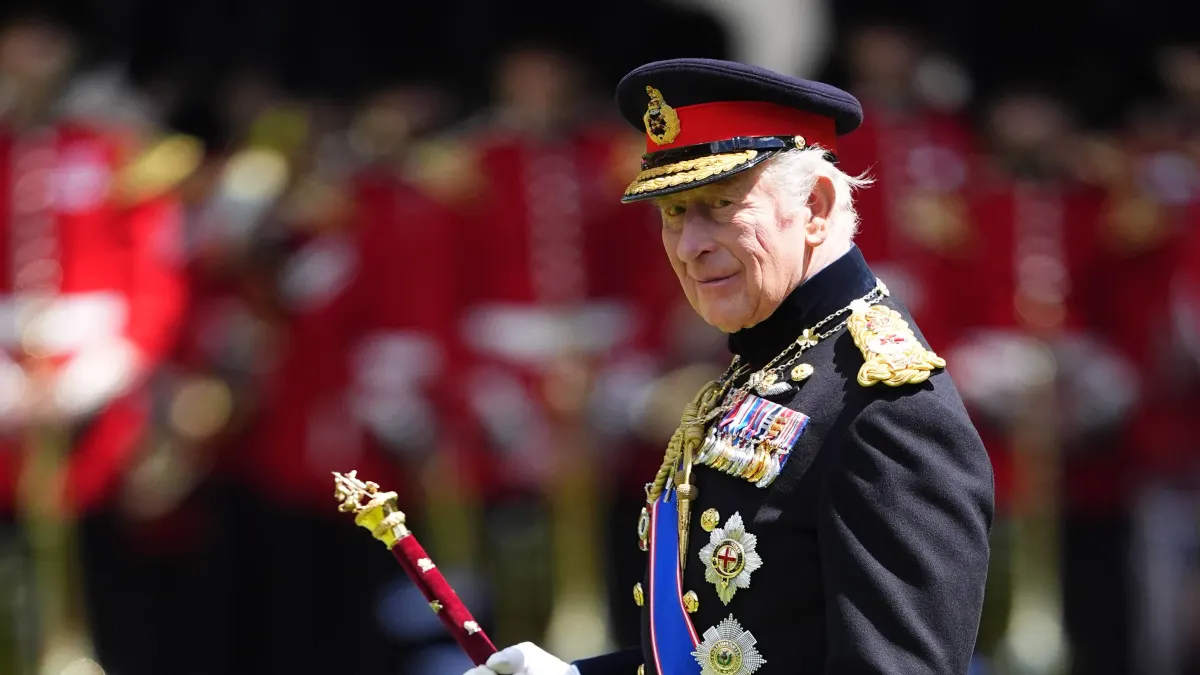
King Charles III was born on Nov. 14, 1948, but each year he also takes part in a second birthday celebration in June. That public occasion is tied to royal custom rather than his actual birth date. According to People, the ceremony linked to the monarch’s official birthday is Trooping the Colour, a major military parade in London. The split between a private birthday and a public one helps explain why royal calendars often mark two separate dates for the King.
King Charles III Was Born in November
The monarch’s real birthday falls in late autumn, and that date remains his personal milestone. Family members and the public often mark Nov. 14 with tributes, photos, and messages. But Britain’s sovereign also has an official birthday, set apart from the day he was born. That arrangement is not unique to Charles. It has long been part of royal life in the United Kingdom, where ceremonial duties and public celebrations are sometimes scheduled for practical reasons rather than personal ones.
Trooping the Colour Takes Place in June
The official birthday celebration is held during Trooping the Colour, a ceremonial parade featuring regiments of the British Army. The occasion usually takes place on a Saturday in June, when milder weather makes a large outdoor event more workable. Crowds gather along the route, and senior royals appear together for one of the most watched moments on the royal calendar. The day typically ends with the Royal Air Force flypast over Buckingham Palace, with members of the family appearing on the balcony.
The Tradition Dates Back to Earlier Monarchs
The custom of giving the monarch an official birthday stretches back hundreds of years. As reported by People, the modern version is often linked to King George II, who was born in November but preferred a public celebration during better weather. Britain’s climate made that choice practical, and the idea endured. Over time, Trooping the Colour became the fixed centerpiece of the sovereign’s official birthday, blending military pageantry, royal visibility, and national ceremony into one annual event.
Royal Duty and Personal Milestones Stay Separate
For King Charles, the two birthdays reflect two sides of the role: private life and public duty. One date belongs to the man and his family, while the other serves the institution of the monarchy. That distinction helps preserve a long-standing royal rhythm, with a personal observance in November and a state occasion in June. It also explains why the public celebration carries such weight. More than a birthday party, it is a formal display of continuity, tradition, and the monarch’s place at the center of national life.