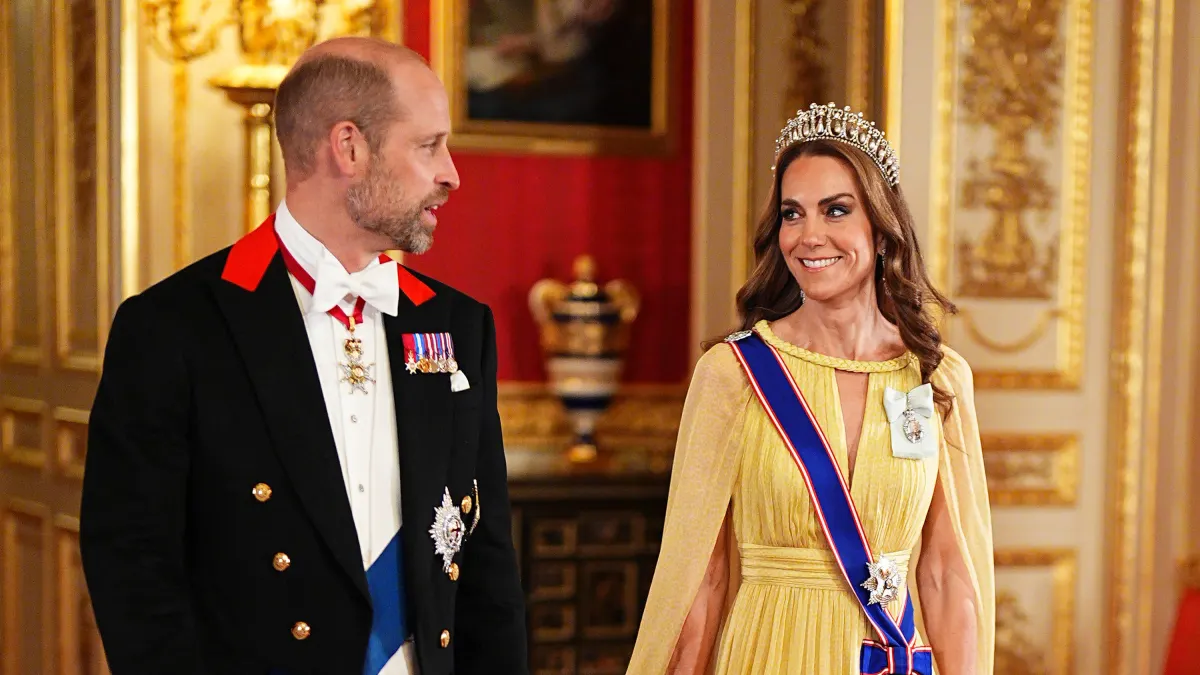
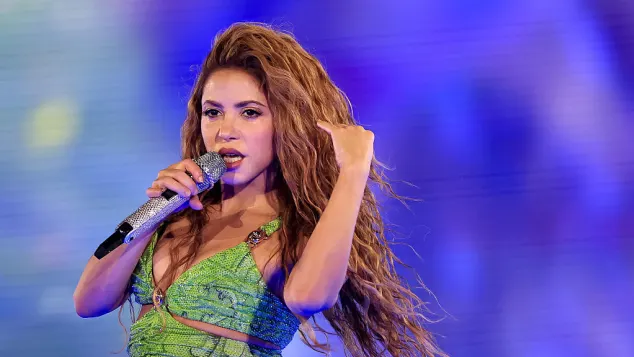
The 2026 FIFA World Cup final is getting a major entertainment push, with a halftime show built around some of the biggest names in music. According to ESPN, Madonna, Shakira and BTS are set to headline the performance tied to the championship match. The booking points to a broader effort to turn the final into a crossover TV spectacle, blending live sport with concert-scale production. For viewers, that means the title match may deliver one of the most ambitious broadcast moments the tournament has attempted.
Also interesting:



Madonna, Shakira and BTS Lead the TV Spectacle
The reported lineup brings together artists with deep global reach and very different fan bases. Madonna carries decades of pop history and arena experience. Shakira has a long track record with football audiences and international live events. BTS adds a streaming-era force with a worldwide following that can drive huge online engagement. Put together, the trio gives the broadcast a built-in multigenerational appeal. That matters for a final expected to dominate television, social media clips and next-day entertainment coverage across multiple markets.
FIFA Expands the Final Into a Bigger Broadcast Event
A halftime concert at the final signals a shift in how the match is being packaged for mass entertainment. Football’s biggest game has traditionally centered on the action on the pitch, but this format leans closer to the kind of event television that merges sport, music and celebrity. The strategy is easy to read: keep casual viewers engaged, widen the audience beyond core football fans and create extra moments that travel fast online. In streaming terms, it is premium live programming designed to stretch far beyond the final whistle.
Shakira Returns to a Familiar Football Stage
For Shakira, the booking would mark another appearance at a football-centered global event, adding continuity to a career that has often intersected with the sport’s biggest stages. Her presence also gives the show a performer with proven crossover value in both English- and Spanish-language markets. That kind of reach is especially valuable for a final expected to draw viewers from every region. Madonna brings legacy-star power, while BTS contributes a younger digital audience. Together, the mix feels carefully built for television scale rather than a standard concert setup.
The Final Could Become a Defining Pop Culture Moment
As reported by ESPN, the halftime show is positioned as a headline attraction attached to the championship itself, not just a side feature. That distinction matters in TV and film-adjacent entertainment coverage, where event programming increasingly competes with streaming premieres and awards shows for attention. If the production lands as planned, the final could generate conversation well beyond sports pages, with performance clips, reaction videos and broadcast analysis extending its afterlife. For networks and organizers, that kind of reach is the real prize.