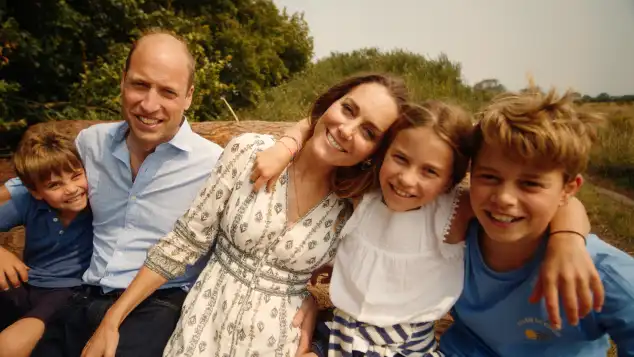
Royal life begins with protocol from childhood. While public attention often centers on kings, queens, princes and princesses, younger family members also grow up within a tightly managed system. According to several sources, the same standards applied to adults often extend to children, from behavior in public to what they wear and how they travel. These rules are part tradition, part image management, and part security. Together, they show that royal childhood can look very different from ordinary family life, even in its earliest years.
Also interesting:


Very relatable!
Princess Kate Was ‘Teased’ by Royals Over This Unexpected Habit
Prince George and Formal Dress Codes
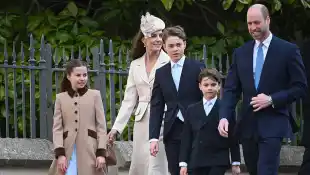
Clothing is one of the clearest examples of royal discipline. Young boys in royal families are often dressed in classic outfits for official appearances, including shorts, knee socks and tailored coats. The reason is tied to long-standing upper-class customs in Britain, where trousers for little boys were once seen as too informal too early. Girls also tend to appear in polished, age-appropriate looks that match the tone of the occasion. These choices are not random. They reflect a wider effort to preserve tradition and present a carefully controlled public image.
Princess Charlotte and Public Behavior Rules
Royal children are expected to learn composure early. At ceremonies, church services and balcony appearances, they are often taught to stand still, wave politely and follow cues from parents or palace staff. Tantrums, loud reactions and playful behavior may be normal for most children, but public royal life leaves little room for that. Etiquette lessons can begin young, helping children understand greetings, posture and manners. The goal is not only discipline. It is also preparation for a life in which cameras are present at major family moments.
Prince Louis and Travel Protocols
Travel can come with extra restrictions for royal heirs. In some royal households, close heirs are discouraged from flying together after a certain age, a practice linked to succession planning and safety. As reported by allvipp.com, rules affecting children can be just as strict as those for adults. Security also shapes where they go, how they move and who accompanies them. Even private trips may involve planning far beyond what most families experience. For royal children, mobility is never just about convenience. It is tied to duty, risk and continuity.
Royal Childhood and Early Lessons in Duty
Beyond dress and travel, royal children are introduced early to the idea that family life and public duty are closely connected. They may attend selected national events, appear in official portraits and take part in traditions that reinforce their place within the monarchy. Holiday customs, seating arrangements and even mealtime expectations can follow established patterns. These routines are designed to create stability, but they also limit spontaneity. The result is a childhood shaped by symbolism, structure and expectation, where personal freedom often comes second to the institution.