
Great films do more than entertain. They leave behind images, lines, and silences that linger long after the credits roll. Across decades of cinema, a handful of scenes have come to define what raw feeling looks like on screen. They come from war dramas, romances, animated features, and sweeping epics. These films share one thing: deeply poignant moments that continue to resonate. From personal loss to moral reckoning, these sequences helped turn major releases and cult favorites into lasting parts of movie history.
Forrest Gump and a Father's Quiet Fear
In Forrest Gump, one of the most devastating scenes arrives not during a grand event, but in a simple conversation. Forrest learns he has a son and then asks if the boy is smart, terrified that his child may have inherited his own limitations. The moment lands because it strips away the film's whimsy and focuses on vulnerability. Tom Hanks plays it with restraint, letting the pause do the work. That brief exchange reframes Forrest entirely, showing a man who has faced the world with innocence suddenly confronting parenthood with fear and love.
Oskar Schindler Faces What He Could Not Do
Steven Spielberg's Schindler's List builds toward one of the most painful scenes in modern film. After saving more than a thousand Jewish people during the Holocaust, Oskar Schindler breaks down over those he could not save. His anguish is centered on ordinary objects, a car, a pin, things that suddenly seem to carry unbearable value. The scene avoids spectacle and instead narrows in on guilt. Liam Neeson's performance gives the film one final wound, turning Schindler from a complicated rescuer into a man crushed by the scale of human loss.
Titanic and The Green Mile Deliver Lasting Grief
James Cameron's Titanic remains packed with large-scale disaster, but one of its most painful beats is deeply intimate: Rose letting Jack slip into the freezing water after promising she will survive. The scene works because it balances romance with irreversible finality. In a very different register, The Green Mile reaches its emotional peak with John Coffey's execution. Michael Clarke Duncan gives the character a gentleness that makes the sequence almost unbearable.These films stand among the most affecting examples of how mainstream cinema can handle grief with clarity and weight.
Up and Brokeback Mountain Hit With Silence
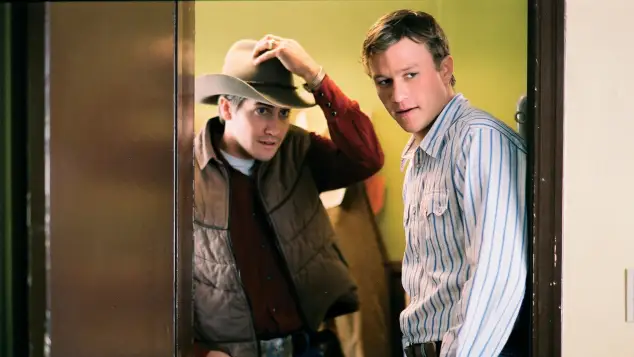
Animated films are not exempt from emotional force, and Up proves it within its opening minutes. The montage of Carl and Ellie's life together, ending in loss, tells a complete love story with barely any dialogue. It is concise, tender, and crushing. Brokeback Mountain takes another path, using repression and distance to build toward heartbreak. Ennis, left with memories and a shirt hanging in a closet, becomes the center of a grief too large for words. These scenes endure because they trust stillness. They do not overplay the pain. They simply let it sit there.