
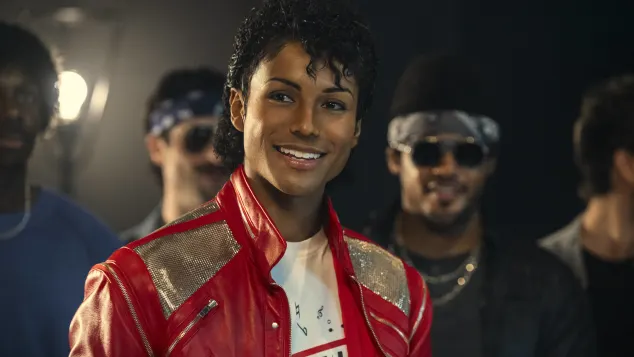
Michael is pulling in major global numbers despite harsh reviews, creating one of the widest gaps in recent memory between critical response and audience turnout. The film has already become one of the biggest musician biopics in the current market, yet much of the conversation centers on what it avoids rather than what it dramatizes. According to The Guardian, that split is central to the movie’s impact: a commercially powerful release built around a version of Michael Jackson that many critics see as incomplete, sanitized and carefully managed.
Also interesting:
A legendary singer
Remembering Harry Belafonte: His Secret Support for Martin Luther King Jr.
An icon with a legacy
Barbra Streisand at 84 — Her Moving Oscar Tribute to Robert Redford
Homage to Moon Man
Jaafar Jackson Leads a Carefully Framed Portrait
Actor Jaafar Jackson, playing his uncle, delivers the dance moves and stage presence expected from a large-scale studio biopic. Offstage, the film presents Jackson as soft-spoken, wounded and almost untouched by darker impulses. That approach shapes the entire drama. Instead of building a layered portrait of a complicated figure, the movie leans toward innocence and victimhood. The result is a character study with little friction, one that favors reverence over scrutiny and keeps the audience focused on pain, talent and ambition rather than contradiction.
The Story Stops in 1988 and Teases More
One of the film’s most discussed choices is its cutoff point. Rather than covering the full arc of Jackson’s life, the story ends in 1988 and points toward a sequel. That structure matters because it leaves out the most contested years while still hinting at what comes next. As reported by The Guardian, earlier plans were broader before legal issues forced major changes. The released version therefore feels split in two: a finished theatrical release on one hand, and a setup for a second chapter on the other.
Neverland References Add Tension to the Film
Even while avoiding later allegations directly, the movie repeatedly gestures toward the future. It includes nods to Neverland and scenes of Jackson looking longingly at Peter Pan imagery, details that carry far more weight outside the film than within it. Because the script refuses a critical lens, those moments play less like examination and more like foreshadowing wrapped in admiration. That creates a strange tension. The occasion is not simply about what has been removed, but also about what remains embedded as coded reference points for viewers already familiar with the broader history.
Estate Control Shapes the Biopic Debate
The film also fits a growing pattern in music biopics: estates and rights holders exerting enormous influence over what reaches the screen. Access to songs, image rights and family cooperation can make or break a production, and that power often pushes films toward approval rather than inquiry. Here, that dynamic appears especially visible. The movie’s biggest weakness is not just caution. It is the refusal to treat its subject as fully human. By sanding away conflict and complexity, the film turns a controversial cultural figure into something closer to a protected icon.

